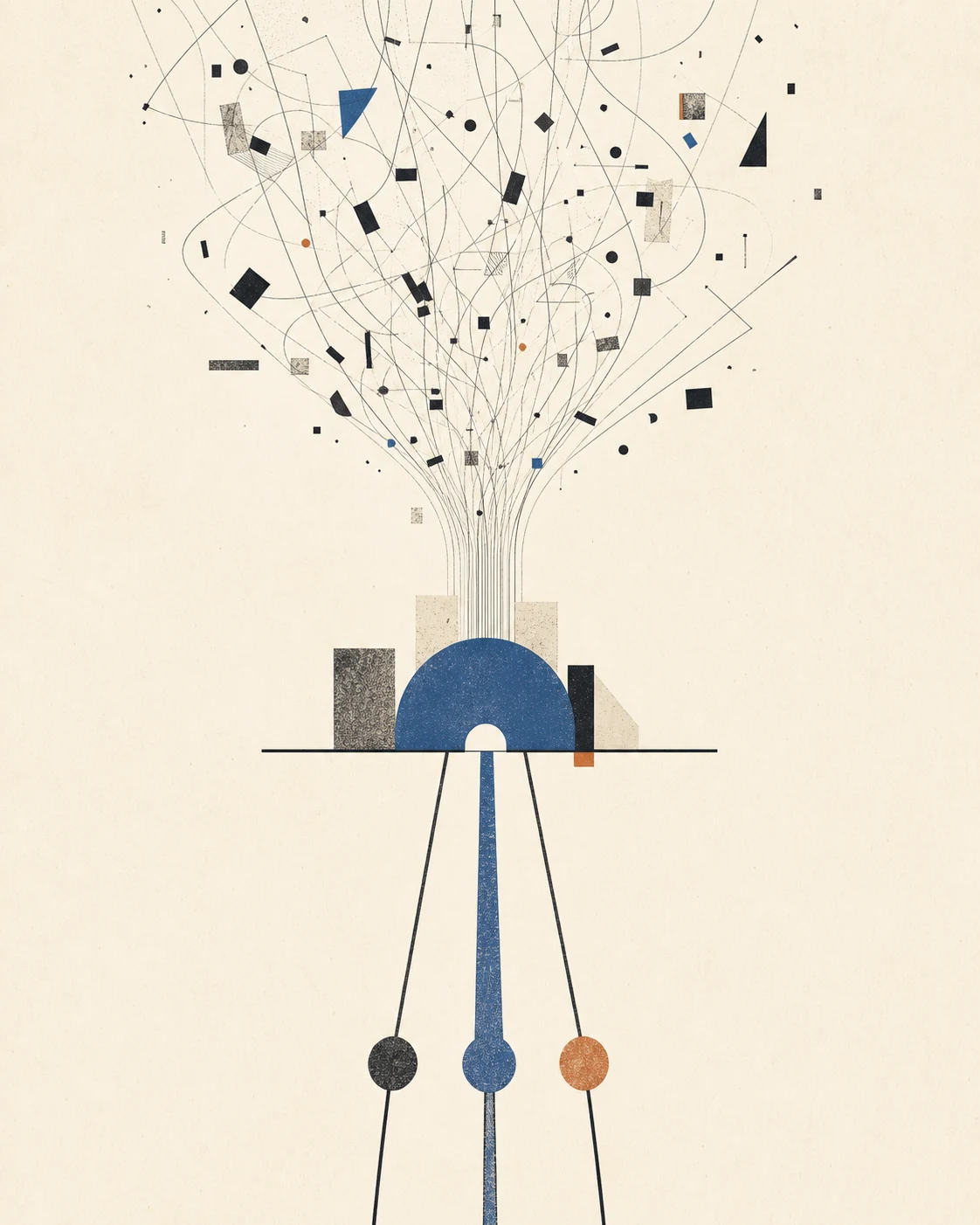
Architecture reduces complexity
Complexity is not just the number of services in a diagram, it is also the number of things a person must hold in their head to make a safe change or get something done. Good architecture reduces that cognitive load. It creates boundaries that match the problem, gives important concepts honest names, and makes the path clear and consequences visible.
The architect’s work is therefore not to produce the most sophisticated system, rather, it is to decide how to elegantly create reality from imagination by making the best technical decisions. Simplicity is often the correct path - sometimes that does mean going with the less popular service, or negotiating with business stakeholders for premium services. Therefore, at the heart of a software architect's performance is the wisdom to make the right decisions and the ability to communicate why those decisions are correct.
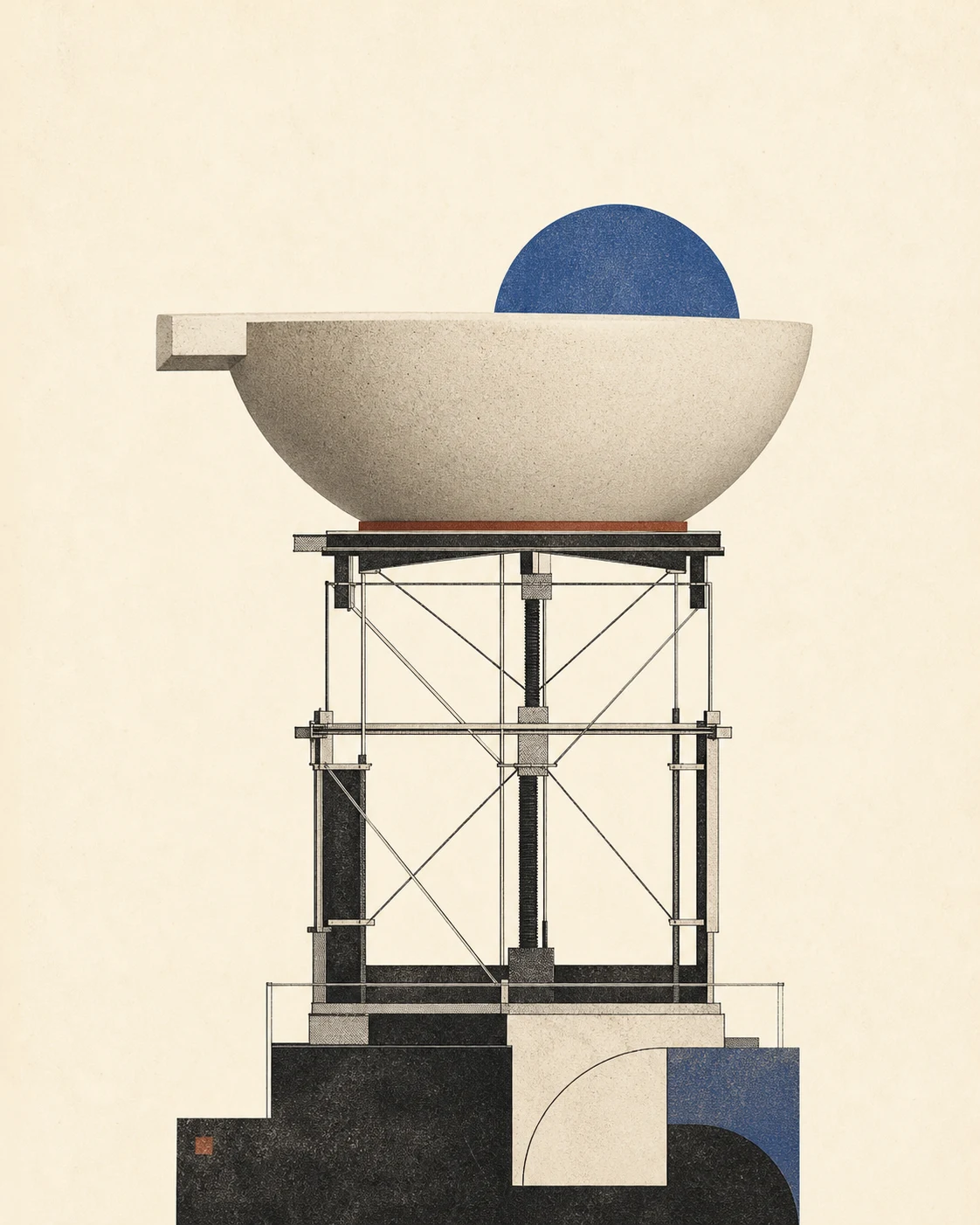
Technology serves product
A technology choice is only useful in the context of the product it enables. I begin with people: what they are trying to accomplish, where the uncertainty lives, and what their imaginations hold. The system follows from those truths.
This does not make engineering secondary. It makes engineering accountable. Reliability, security, speed, and maintainability become product qualities rather than isolated technical ambitions.

AI amplifies human judgment
The most valuable AI systems do not ask people to surrender judgment. They help people notice more, understand faster, and act with greater context. That requires restraint: clear provenance, understandable failure modes, and deliberate moments where a person remains responsible for the decision.
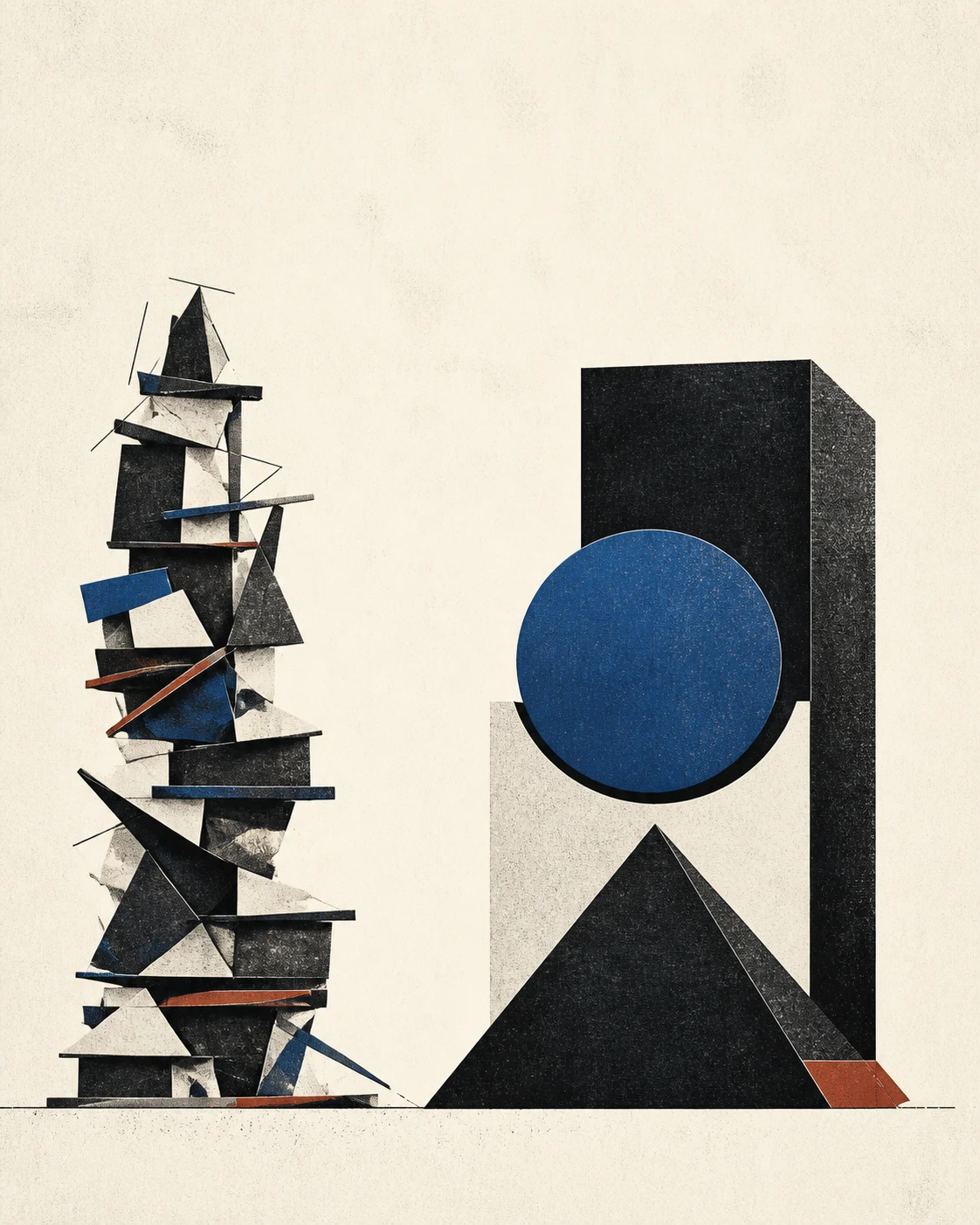
Simple systems outperform complicated systems
Simple does not mean naïve. It means the design embodies its essential ideas while elegantly handling edge cases. I prefer explicit workflows, observable state, and boring infrastructure where boring infrastructure is sufficient.
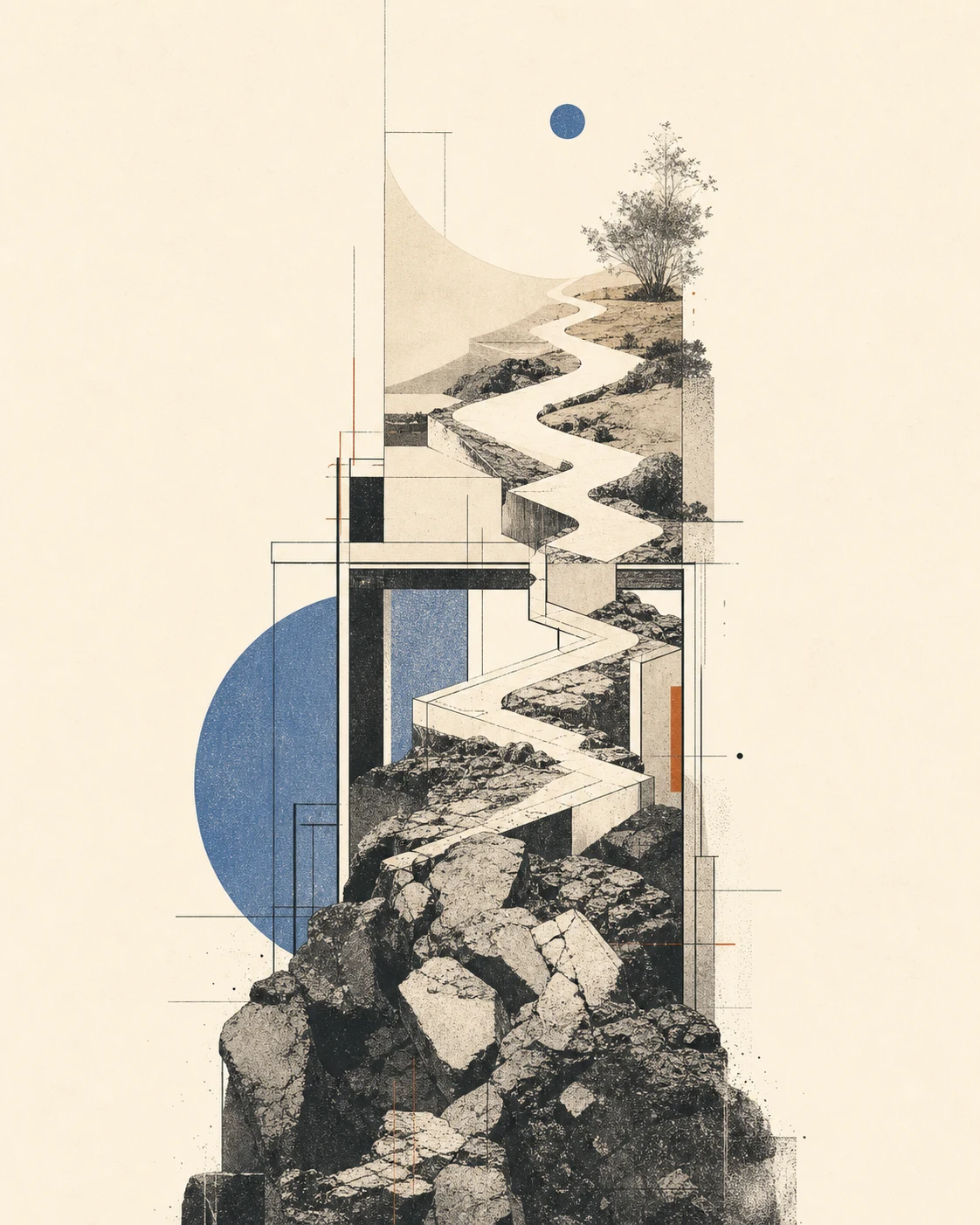
Software should accept and improve reality
Durable software reflects the language, constraints, and exceptions of the people who use it. The closer the model is to present reality while also pushing the frontier into a better reality, the easier the product becomes to explain, test, and evolve.
That is the thread through my work: make the difficult parts visible, make the important decisions intentional, and leave behind a system that other people can reason about.